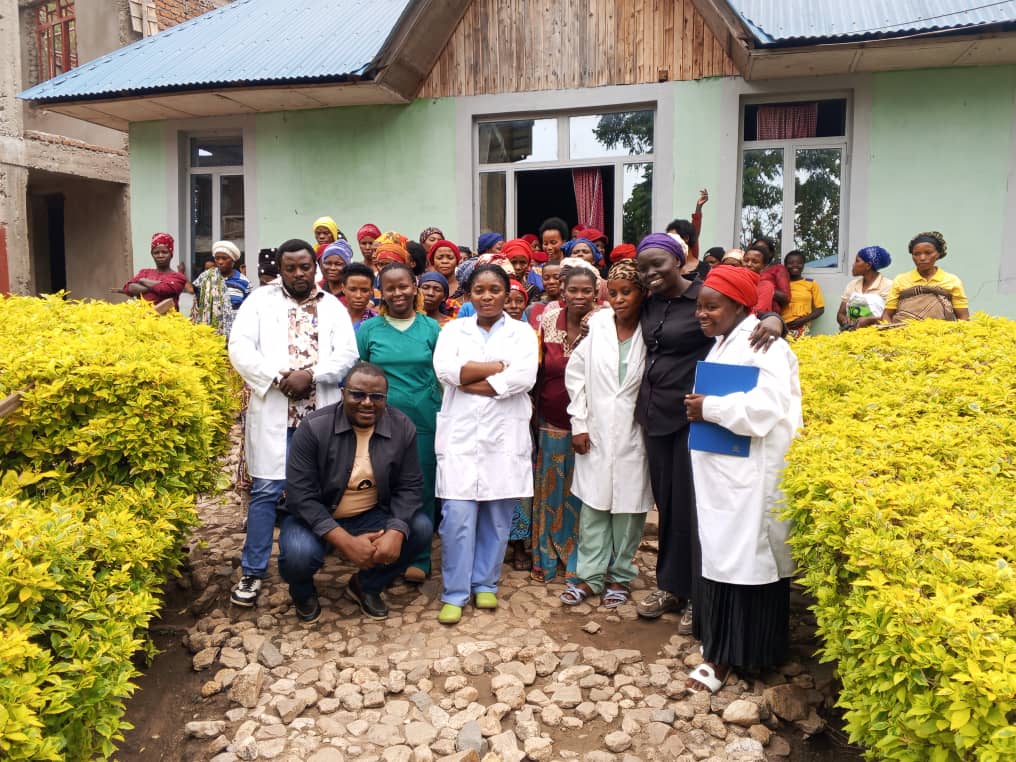
Matumaini hospital: a place of care, prevention and support
The Matumaini Maternal and Paediatric Centre, the hospital of Rebuild Women's Hope, has an important place in health care for the community of Idjwi. Beyond medical care, the hospital is gradually developing services that meet the needs of the population, especially women, children and vulnerable people.
Through its services, its routine work and the projects that operate there, the hospital helps improve access to care, strengthen prevention, raise awareness, and support people facing gender-based violence (GBV).
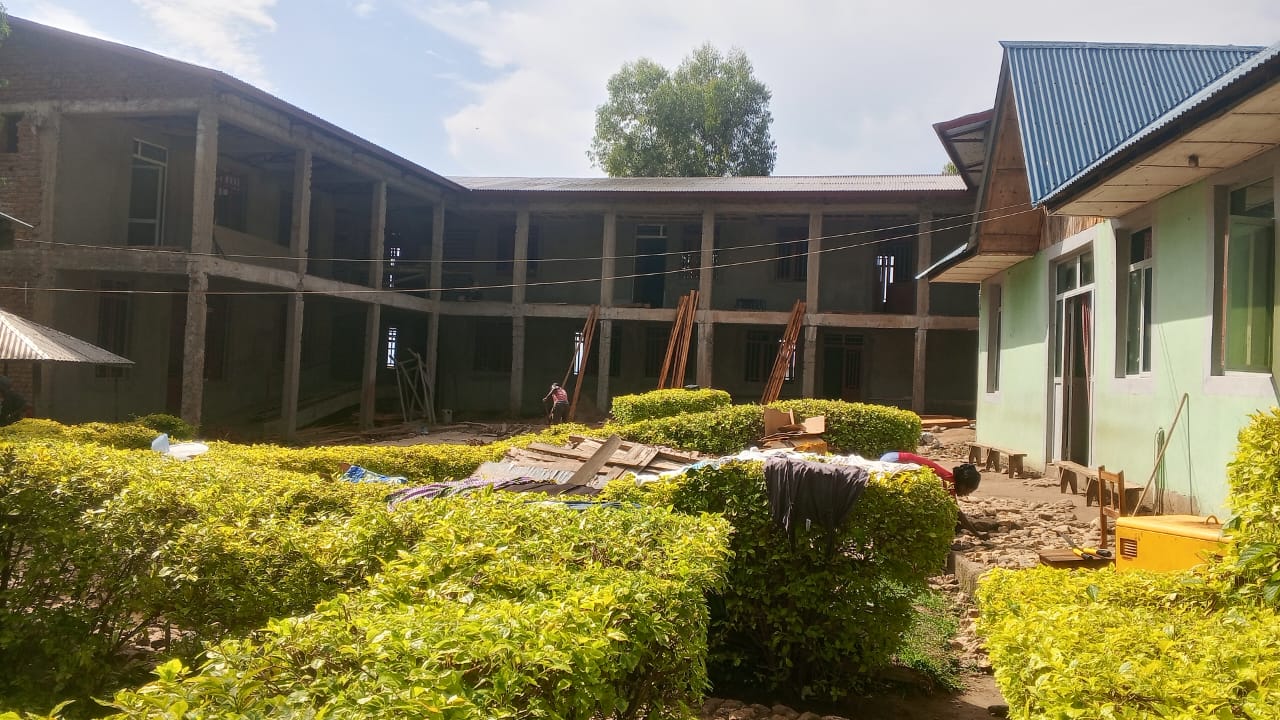
Two pieces of news first. The construction project, funded by Mozzo Coffee, Zensho Trading and RWH, is in its finishing-works phase. With more capacity and new services, it will meet the community's growing needs. And every Monday, Wednesday and Friday the hospital holds a free consultation, so that people who have difficulty getting care can see a clinician at no cost on those days.
Why the hospital exists
RWH began as a women's coffee cooperative. It built a hospital because on Idjwi, an island of more than 290,000 people in Lake Kivu, there were no facilities to care for women with problems in pregnancy and childbirth, and members were dying every year from causes that could have been prevented. The hospital opened in December 2020, built through the pandemic with core funding from Mozzo Coffee's C2C fund. By December 2025 the hospital had helped deliver more than 8,000 children.
Every day at the hospital
The hospital provides several medical services every day that meet the needs of the community. The main ones are:
- Outpatient consultations, which let patients come to see a clinician without being admitted.
- Inpatient care, for people who need monitoring and appropriate care during their stay in hospital.
- Ambulatory care, for patients who receive care without being admitted.
- Maternity, caring for women before, during and after childbirth.
- Paediatrics, devoted to the care of children and newborns.
- The CReS (Centre de Recueillement des Survivantes, the survivors' centre), which "gives hope and a smile back" to GBV victims: it provides medical and psychological care for survivors of GBV.
These services let the hospital respond to the community's different health needs.
The King Baudouin project
The King Baudouin project covers free treatment of gynaecological conditions, awareness on preventive health, health and nutrition, GBV awareness, and holistic care for survivors.
The King Baudouin project also supports the mobile clinic, which goes closer to the communities to make free care and consultations easier to reach. Another important activity in the same project is the free consultation held every Monday, Wednesday and Friday. This initiative lets people who have difficulty getting care see a clinician at no cost on those days. That matters in a country with no health cover for patients who cannot afford their medical expenses, as Equal Times has reported.
The Dignity project and GBV awareness
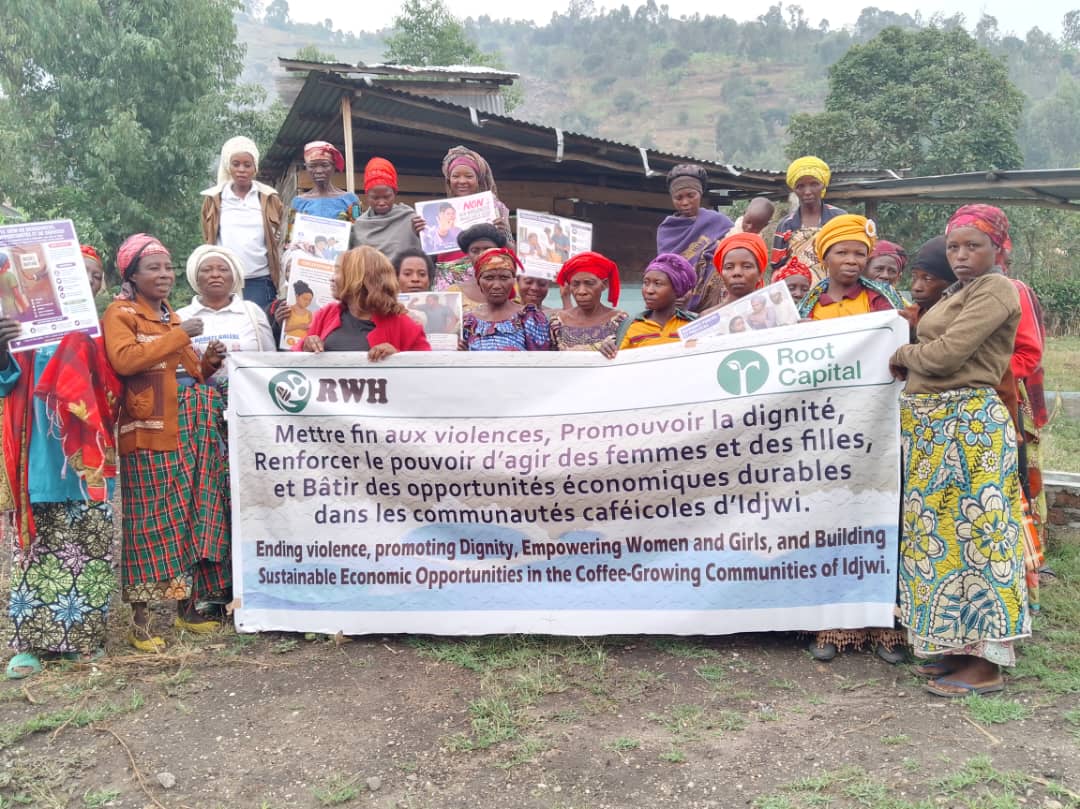
The hospital also runs the Dignity project, funded by Root Capital, which consists of awareness on gender-based violence, training of trainers (the trainers being hospital staff), and psychological support for survivors of gender-based violence. Through this work, the hospital does not limit itself to medical care: it also takes care of the psychological side.
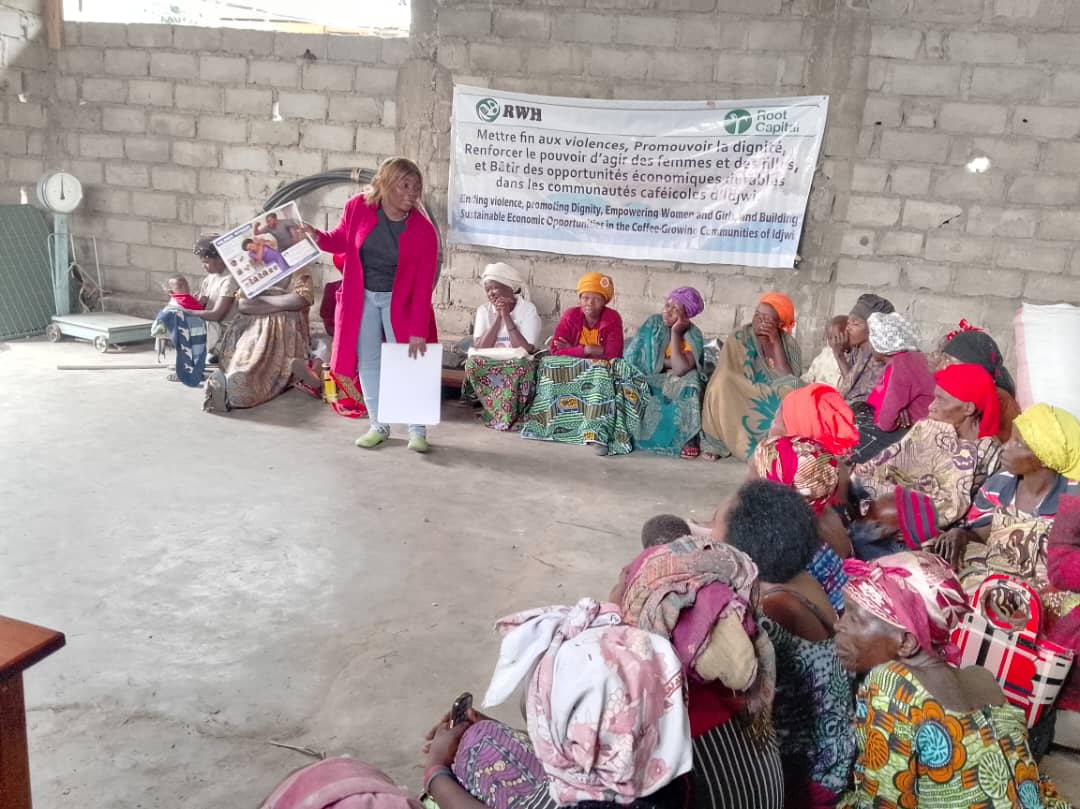
These sessions are for women, men, young people and families. They are a chance to talk about the different forms of violence, their consequences, and how to prevent and report them. The aim is to make people understand that ending GBV takes many actors: health facilities, families, communities, and the different organisations involved in protecting vulnerable people.
"We raise awareness in the community so that people know their rights, can prevent violence, and know where to turn when violence happens," says one of the hospital's doctors.
One participant described what a session changed for her:
"I am often beaten and injured by my husband, who comes home drunk every day. During an awareness session on the causes of violence, I realised that what I was living through was not normal. I had a serious conversation with my husband. I explained to him that what he was doing to me was not normal, and showed him all the consequences that follow from it. This time he took in what I told him, and for a month now, even though he still comes home drunk, he no longer beats me."
Her experience is far from rare. Some 68.2% of women in the DRC have experienced physical, sexual or emotional abuse within a relationship, according to the World Health Organization.
Communities are also told about the services available to support and refer victims of violence, through the hospital's Survivors' Centre, the CReS.
Conclusion
The Matumaini Maternal and Paediatric Centre, the health branch of RWH, is a place where medical care goes together with prevention, awareness and psychological support. Its routine work in outpatient consultations, inpatient care, ambulatory care, deliveries and paediatrics meets the everyday needs of women, children and other patients. The King Baudouin project's work, particularly in gynaecological health, the mobile clinic and the free consultations on Mondays, Wednesdays and Fridays, also widens access to care. With the Dignity project, the hospital is also strengthening psychological support for people who have experienced GBV.
It began as a coffee cooperative's answer to women dying in childbirth on an island with nowhere to go. Nearly six years later, with its expansion almost finished, it offers far more than treatment. As one patient put it:
"When we come to the hospital, we find not only medical care but also someone who listens and supports us. The awareness sessions also help us understand gender-based violence better and how to prevent it."
The hospital on film
Oxfam RDC came to Idjwi and made a short film about Rebuild Women's Hope. It follows the women from their coffee fields to the mill and ends at the hospital, where, from 3:32, a member of the staff explains why it was built.