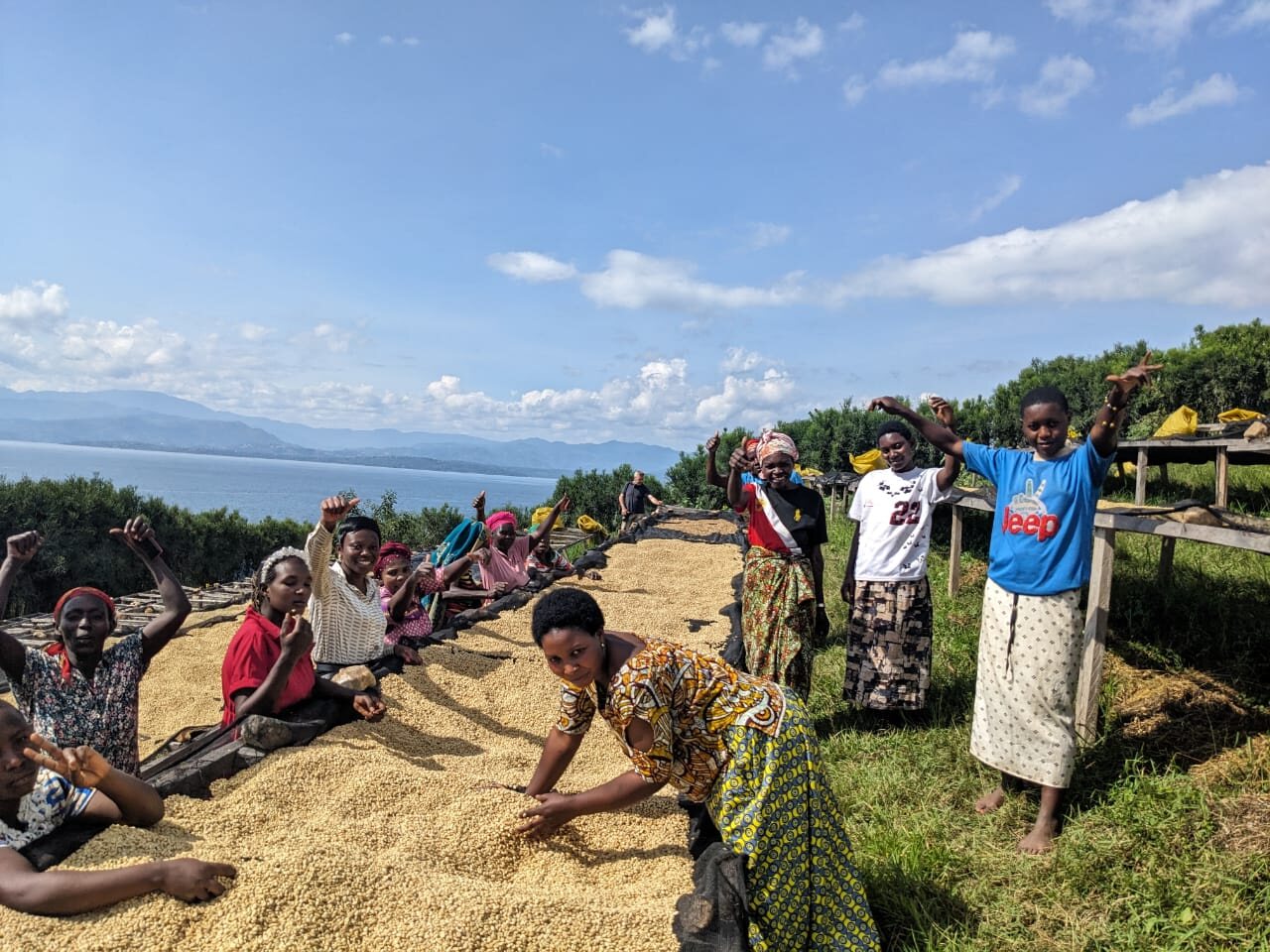
The experience of RWH women during the Ebola crisis
I would like to share the experiences of the women of RWH during one of the most challenging periods our community has faced. The Ebola epidemic emerged at a time when we were already struggling with the consequences of years of conflict and insecurity. Long before the health crisis began, our communities were attempting to recover from its social, economic and psychological impacts. Families had lost their livelihoods, local markets had been disrupted, and many people were already living in conditions of extreme vulnerability.
The closure of the border between Rwanda and the Democratic Republic of Congo on 18 May 2026, following the announcement of the first Ebola case, deeply affected the city of Bukavu and the territory of Idjwi. It seriously disrupted trade, travel and daily activities, leaving many families in serious financial trouble. Travellers were forced to halt their trips, and shopkeepers and small business owners saw their activities sharply reduced. In Bukavu as in Idjwi, life became particularly difficult. The closure paralysed several essential sectors and worsened the living conditions of a population already under great strain.
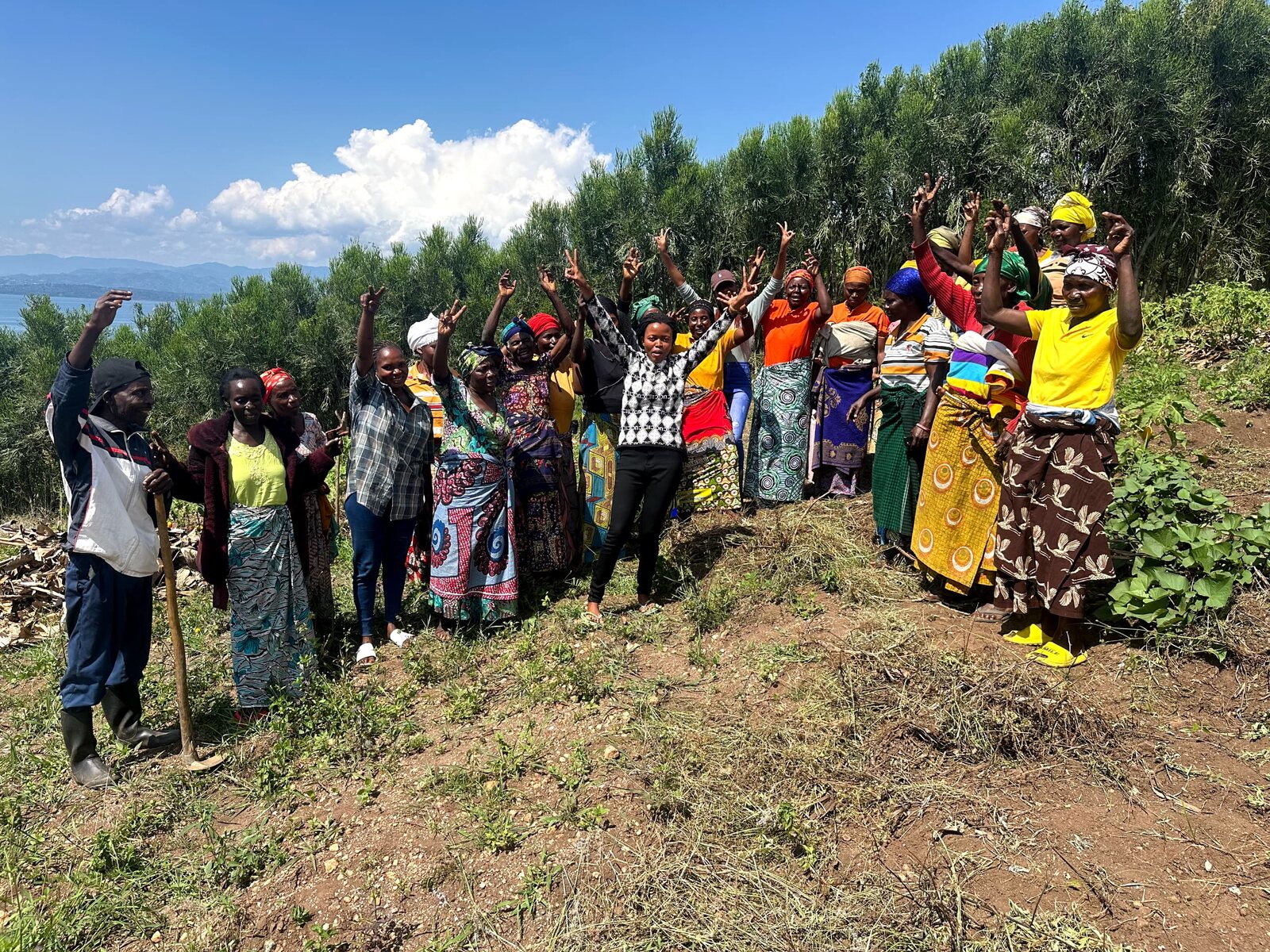
For women who depended on agriculture and small-scale trade for their income, these restrictions created real barriers to earning a living and supporting their families. One of the sectors most affected was coffee, which is a critical source of income for many households in our region. The epidemic disrupted the coffee marketing season and severely affected the supply chain. Because of the financial crisis triggered by the border closure and the loss of trade, we faced a serious shortage of liquidity, and for a time we were no longer able to purchase coffee from producers in the field, leaving many farming families without a reliable source of income at an already difficult moment.
We got together to keep paying the small coffee producers despite the challenges we faced. To make sure operations could keep going, we set up measures such as sending money by mobile phone and making virtual payments. These measures allowed us to keep buying coffee and to support producers through the situation. But because of the border restrictions and the disruption of economic activity, we were only able to purchase a reduced amount of coffee, much less than we had planned.
At the operational level, further challenges emerged. The digital systems we relied on to send and receive money became increasingly problematic. During the crisis, mobile money transfer fees via Airtel Money rose to 4 per cent of the amount transferred, from a small fraction of one per cent before. The procedures were often complex for people with limited access to technology, and internet connectivity was unreliable and frequently interrupted, making communication, financial transactions and business operations extremely difficult. Activities that should have taken minutes often required hours or even days to complete.
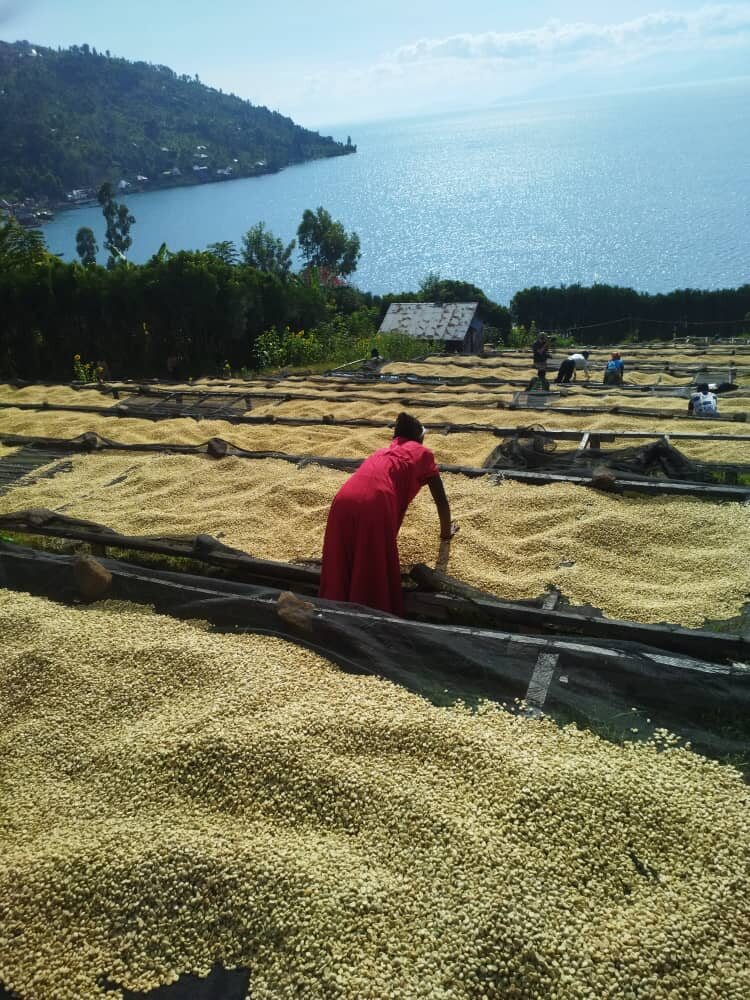
Not everyone could be reached. One of our members harvested her coffee but could not sell it because of the restrictions in place, so she had to process it herself at home. To this day, her coffee still has not been sold.
The economic impact of the crisis quickly became a broader humanitarian emergency. As household incomes declined, families struggled to meet their most basic needs. Food insecurity became more widespread, and cases of child malnutrition increased in the community. Many parents were no longer able to afford school fees, educational materials or transport costs, forcing children to stay at home and interrupting their education. The long-term consequences of this disruption concern us deeply, because it limits the future of an entire generation.
The crisis also had social consequences. Growing unemployment, poverty and uncertainty created frustration and despair, particularly among young people. With few opportunities to earn a living and limited prospects, some young people became vulnerable to negative coping strategies, including theft, in order to meet their basic needs. These developments further weakened social cohesion and increased tensions within communities already under immense pressure.
For women, the burden of the crisis was particularly heavy. In addition to managing the loss of income and food shortages, they continued to bear primary responsibility for caring for children, elderly relatives and sick family members. Many women found themselves making impossible choices between feeding their families, paying school fees, accessing healthcare and maintaining their agricultural activities. The emotional and psychological stress of these responsibilities has been profound.
RWH supported its producers and its employees where it could: by making it easier for them to sell their coffee for cash, by covering the money transfer fees, by helping with hospital care for the sick, and by assisting them in producing food such as vegetables and beans to fight food insecurity. Our health centre took care of patients and provided medication, making it easier to treat several illnesses, and during this period our team also welcomed underprivileged patients and helped them get access to healthcare. No case of Ebola was recorded at our hospital.
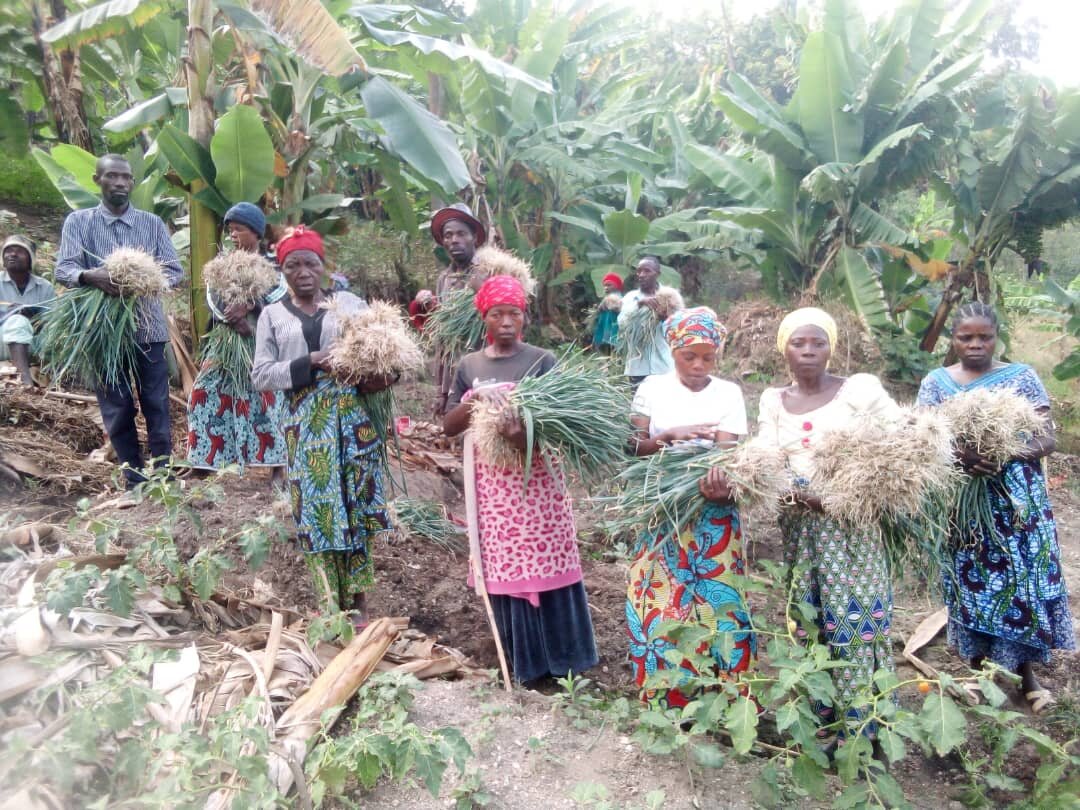
Despite these overwhelming challenges, the women of RWH have continued to demonstrate remarkable resilience. They have supported one another through informal networks, shared limited resources, and found creative ways to maintain their livelihoods. Community solidarity has become an essential survival strategy in the face of multiple, overlapping crises.
The situation has changed since August. Although it has not been officially announced, the border is open again as far as we can see: exchanges between the two sides are happening and travellers can travel, and we know of no new Ebola cases in Bukavu or on Idjwi. The coffee campaign has ended and we are waiting for the big harvest in February.
Nevertheless, the situation remains difficult. Many families continue to face food insecurity, financial instability and uncertainty about the future. There is a growing sense of fatigue and discouragement as communities struggle to recover from the combined effects of conflict, economic disruption and the Ebola epidemic. Hope has been tested, but the determination of the women of RWH to support their families and rebuild their communities remains strong.